
An Empowering Guide for Muslim Women’s Halal Investment

An empowering guide for muslim women's halal investment.
An empowering guide for muslim women's halal investment
An empowering guide for muslim women’s halal investment

Muslim Women’s Halal Investments

An Empowering Guide for Muslim Women’s Halal Investment In today’s complex financial landscape, Muslim women stand at a powerful crossroads where faith meets financial independence. As an increasing number of educated Muslim women seek to grow their wealth while honouring Islamic principles, halal investing has emerged as both a spiritual practice and a financial strategy. This comprehensive guide moves beyond basic compliance to explore how you can build generational wealth while strengthening your connection to Islamic values, transforming your approach to money as an act of worship and empowerment.

“Do not give the foolish your property which God has assigned to you to manage.” – Quran 4:5

Reclaiming Our Financial Legacy

An Empowering Guide for Muslim Women’s Halal Investments

Taking back our financial legacy

In Islamic history, women’s economic role is praised. When she was married to Prophet Muhammad (PBUH), Khadijah bint Khuwaylid (RA) was a famous merchant who led trade trips between countries. Despite what many people think today, Islam protects women’s right to own, invest, and handle their own money. But modern barriers still exist:
The lack of trust: In the UK, only 10% of women have Stocks and Shares ISAs, while 17% of men do. This is often because women find financial terms confusing.

Inequalities in the system: The wage gap between men and women ($0.80 for every male dollar) makes it harder to invest.

An empowering guide for muslim women's halal investments
An empowering guide for muslim women’s halal investments

How much care costs: 37% of wealthy women give up job advancement to care for their families.

Somewhat surprisingly, women’s investments do better than men’s by 0.4% per year, which adds up to over $267,000. This is because they tend to do a lot of study, diversify wisely, and put long-term growth ahead of short-term gains.

How to Start Investing in Halal

Positive framework: Halal trading is more than just staying away from things that are haram; it’s a good way to build wealth that’s in line with Islamic principles:

The ban on riba (interest): “Allah will take away all good things about usury” (Quran 2:276). To do this, companies with debts greater than 30% of their market value must be screened, and arrangements such as Murabaha (cost-plus financing) or Ijara (leasing) must be used.

Haram Industries to Avoid: This list doesn’t include tobacco, weapons, gambling, booze, or pornography. Screening apps check thousands of funds to make sure they are legal.

Not Accepting Too Much Uncertainty (Gharar): Most experts agree that it doesn’t allow speculative instruments like day trading, derivatives, and cryptocurrency.

Profit and Loss Sharing: Investments must involve shared risk, like Sukuk (Islamic bonds backed by assets).

Purification of Wealth: If ≦5% of your income comes from sources that aren’t allowed, you have to give that money away as sadaqah.

Table: Core Screening Criteria for Halal Investments

ParameterThresholdPurpose
Debt Ratio<30% of market capAvoid interest-based leverage
Interest-Bearing Assets<30% of total assetsMinimize riba exposure
Haram Revenue<5% of total revenueExclude core non-compliant activities
Accounts Receivables<45% of market capPrevent excessive uncertainty

Ways to Make Halal Investments

1. Stocks and funds that follow Sharia law: 

Stocks through Halal ETFs or mutual funds that focus on healthcare, technology, and green energy.

Screening Tools: To make sure that individual stocks are compliant, use digital tools.

2. Real estate: something you can touch

Direct Ownership: Use Islamic financing (such as Murabaha or co-ownership methods) to make rental income.

Real estate investment trusts that follow Islamic law don’t take on interest-based debt or rent to haram renters.

Sukuk: A Moral Way to Get a Fixed Income

The world market for these asset-backed instruments is worth more than $700 billion. They let people own pieces of infrastructure or commercial projects.

4. Venture capital that cares

Halal venture capital platforms help ethical startups, combining diversification with investing with a purpose.

5. Metals of high value


Real gold and silver protect against inflation and are legal everywhere when fully held.

Your 5-Step Roadmap
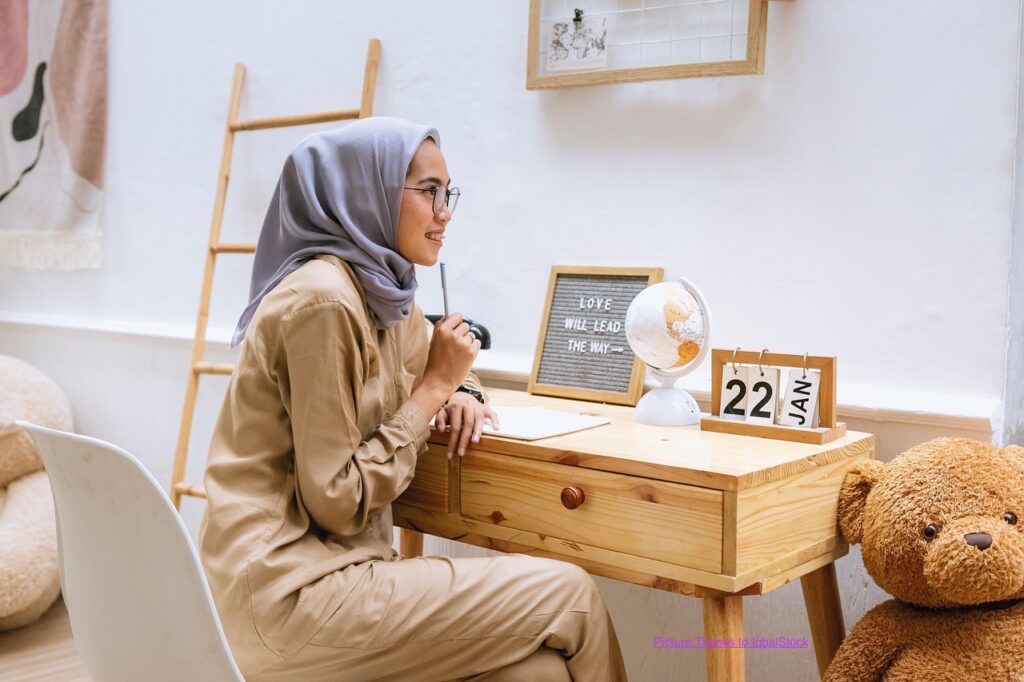
An empowering guide for muslim women's halal investment
An empowering guide for muslim women’s halal investment

Step 1: Make your “why” clearer.

Set goals with different due dates:

Short-term (1–5 years): savings for Hajj and an emergency fund (in Islamic accounts)

Medium-term: Five to ten years from now: down payment on a house, business capital

Long-term (10 years or more): retirement, childhood schooling, and passing on wealth to future generations.

Step 2: Build Knowledge Confidently

Use screening tools and podcasts like Muslim Women and Finance.
Join groups for women who are interested in investing to get help.

Step 3: Start Small, Start Halal

  • Automate monthly contributions to Halal ETFs.

Step 4: Diversify Strategically

Use “round-up” apps to invest spare change Islamically.

Step 5: Implement Purification & Zakat

The annual purifying cost is normally between 0.5% and 1% of the value of the portfolio.

You should pay Zakat with 2.5% of your net assets.

Solving one-of-a-kind difficulties

The truth about what you get when you die: Islamic law says that women can inherit a smaller share of their husband’s property, like 1/8 of the property, if they have children. Active investment keeps your money safe when you get it.

Balance caregiving: If you want to keep making money while you take time off from work, invest in rental properties or halal stocks that offer dividends.

Transforming Fear into Faith:

The son of Adam will not die until he is asked about five things. This turns fear into faith. How he became rich and how he spent his money… (Tirmizi and Hadith).

Conclusion: Wealth as Worship, Legacy as Liberation

An Empowering Guide for Muslim Women’s Halal Investments: For Muslim women, halal trade is not just a way to make money. It is an act of faith that protects our financial future while honouring our spiritual nature. When we invest based on Quranic principles such as the rejection of Gharar and the prohibition of Riba, we turn wealth into a moral power.

There are systemic problems along the way, such as the gender pay gap that makes investing difficult, the need to care for others that makes it difficult to advance in a job, and a lack of financial knowledge that makes people hesitant. But history shows us that these problems can be solved. From Khadija’s (RA) journey across the desert to Muslim women venturing into global markets today, our history has been a history of power.

The real power of halal trading lies in the fact that it gives you both wealth and God’s approval in the next life. We build portfolios that can handle market volatility while staying true to our values, by spreading your money across a variety of assets, such as real estate, sukuk and precious metals. The rituals of purification and zakat sanctify our gains, ensuring that wealth is used to build kindness rather than power.

Remember that progress is the goal when walking this path, not perfection. Don’t wait until you’re ready to start investing. Even a £50 monthly contribution to a halal ETF can earn a lot of wealth over time. Find information from groups and scholars that will turn loneliness into group strength. Ultimately, every safe investment helps build an honest economy where women can be financially independent. By tending this garden, we honor our religion, keep our families safe, and regain our rightful place as the creators of a fair financial future. Pen in your hand; write a memory that will last forever.

“The best of you are those who are best to their families.” (Hadith, Ibn Majah)

An empowering guide for muslim women's halal investment
An empowering guide for muslim women’s halal investment

General Disclaimer

“Some images on this blog are AI-generated. They are used for creative purposes and do not represent real photographs.”

Disclaimer

The content provided in this article is for informational and educational purposes only. It does not constitute financial, legal, or religious advice.

  1. Accuracy & Updates:
    • While efforts are made to ensure accuracy, Islamic finance principles and mortgage products may evolve. Details about lenders, rates, or structures (e.g., Murabaha, Ijara) are subject to change. Verify terms directly with providers.
  2. Sharia Compliance:
  3. Interpretations of Sharia law and approval of financial models may vary among scholars or institutions. Consult a qualified Islamic scholar or Sharia board for personalised guidance.
  4. Third-Party Providers:
  5. Mention of banks, lenders, or organisations (e.g., AlHuda CIBE , AAOIFI’s) is not an endorsement. Conduct independent research before engaging with any service.
  6. Regional Differences:
  7. Availability of Islamic mortgages, legal frameworks, and pricing structures differ by country. Seek local experts for region-specific advice.
  8. AI-Generated Imagery:
  9. All visuals labelled “Image created with AI” are artistic interpretations and do not represent real entities, properties, or endorsements.
  10. Liability:
  11. The author and publisher are not liable for financial, legal, or religious outcomes arising from the use of this information.

Always consult a certified financial advisor, Islamic scholar, or legal professional before making significant financial decisions.

FAQ: An Empowering Guide for Muslim Women’s Halal Investments

Q1-Why is it so important for Muslim women to be financially independent?

A: The Quran (4:5) says that Islam guarantees that women can own and control their own money. Things are harder now because of factors like the gender wage gap ($0.80 for women and $1 for men) and the fact that 37% of women had to quit their employment to care for their children. Khadijah (RA), a successful merchant, is an example of someone who was financially independent in the past. Investing helps solve significant problems within the system and affords us the right to economic freedom, according to Islamic principles.

Q2-What could be an empowering guide for Muslim women’s halal investments? 

A: To invest in halal, you need to:
Zero Riba (Interest): Don’t do business with companies that have more than 30% debt and loans that depend on interest.
Ethical Industries: Porn, regular banking, firearms, and tobacco are not ethical businesses.
No Gharar (Uncertainty): Don’t use techniques that are based on guesswork, like crypto and day trading.
Asset-Backed Ownership: Choose real things, like real estate and goods.
Loss and Gain Sharing: Choose structures like Sukuk instead of bonds with fixed interest rates.
Purification: Give away 5% or less of any money you make that isn’t halal by accident.
Like this, you could be an empowering guide for Muslim women’s halal investments.

Q3-What should I do if I want to invest but don’t have a lot of money?

A: Start small, but do it now:
QPut £50 a month into selected stocks automatically.
Use “round-up” programs to put your extra money to work. According to Islam
Look into owning a part of a property.
Put low-cost Halal ETFs ahead of individual stocks.
*Amount doesn’t matter as much as consistency—£50 a month at 7% interest turns into £56,000 in 25 years.*

Q4-How can I manage my investments as a caregiver who doesn’t have a lot of time?

A: Use passive strategies:
Halal Dividend Stocks: Make money when you’re not working
Islamic REITs: Get rental revenue without having to manage the property
Robo-Advisors: Use automated systems to manage your portfolio
Batch Learning: Spend 20 minutes a week listening to financial podcasts

Q5- What should I do about differences in inheritance?

A: Islamic inheritance may give women lower shares, like 1/8 of their spouse’s estate. To fight this, do the following:
Making personal investment portfolios
Opening special monies for children’s education
Buying property in your name
Making a comprehensive list of your assets in your will

Q6-What if my portfolio has things that aren’t halal by mistake?

A: Do wealth purification:
QFigure out how much money you make that isn’t halal (about 0.5% to 1% of your portfolio worth).
Give that amount to charity as sadaqah.
Rebalance your investments to avoid future losses. For example, a £100,000 portfolio with 0.8% impurity would result in an £800 gift.*

Q7-Where can I learn without too much jargon?

A: Resources that are easy to get to:
Podcasts: Short programs about money for Muslim women
Screening Apps: Check investments in 60 seconds
Women’s Investment Circles: societies where peers teach each other.

Q8-What does zakat mean for investments?

A: Pay 2.5% of your earnings every year:
Money saved
The value of gold and stocks on the market
Real estate (not including the main residence)
Assets of the business
Tip: Keep a “zakat escrow account” and add money to it every month.

Q9- Why do women’s portfolios tend to do better than men’s?

A: Studies show that you can get 0.4% more in annual returns by making choices based on research, focusing on the long term, being aware of risk when diversifying, and being patient (holding investments 20% longer than males).Q

Q10-How can I make my investments fit with my ideals as a mother?

A: Create a legacy by:
Education Funds: Halal savings accounts for kids
Ethical startups: Help businesses that are working to solve societal problems
Investments in green energy and clean technology stocks
Islamic Wills: Make sure your money goes where you want it to go.

“The best of you are those who treat their families the best.” (Ibn Majah). Your halal investment journey is a single act of worship that brings together faith, family, and financial strength.
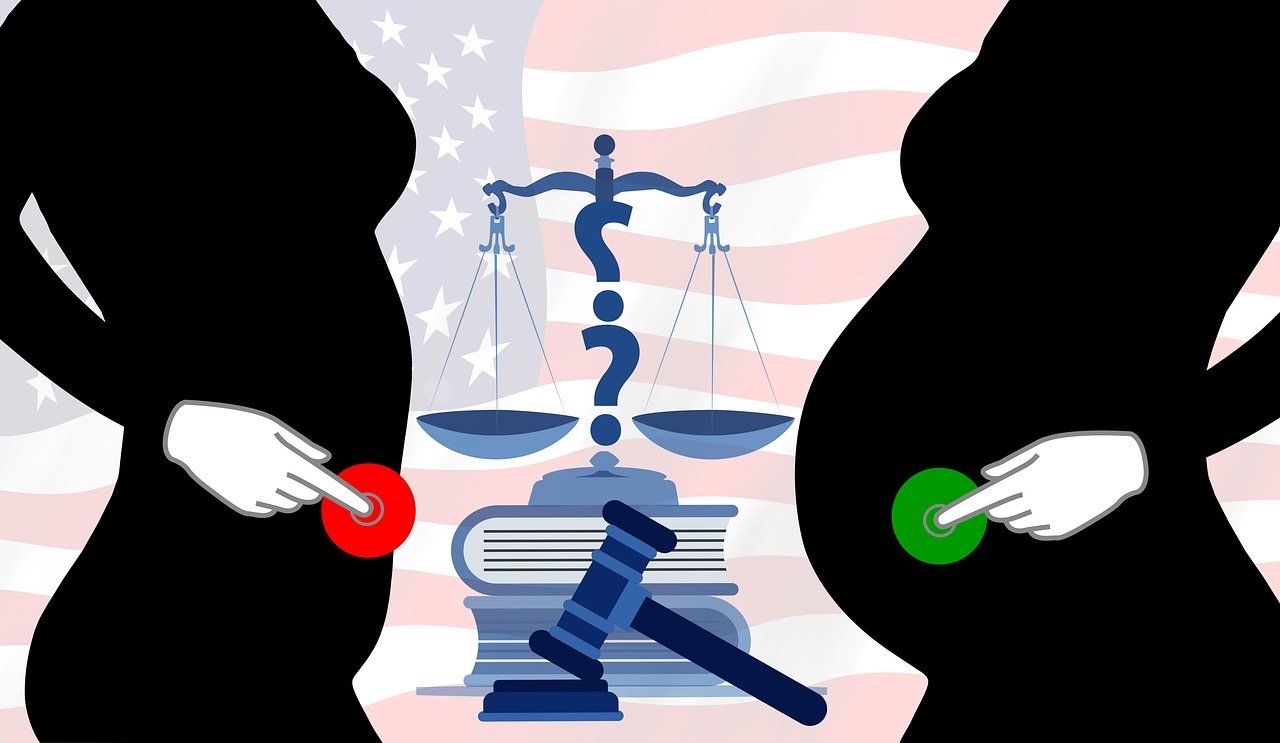
Modern Women’s Views vs Islamic Thoughts on Abortion

 modern women's views vs islamic thoughts on abortion
 modern women's views vs islamic thoughts on abortion
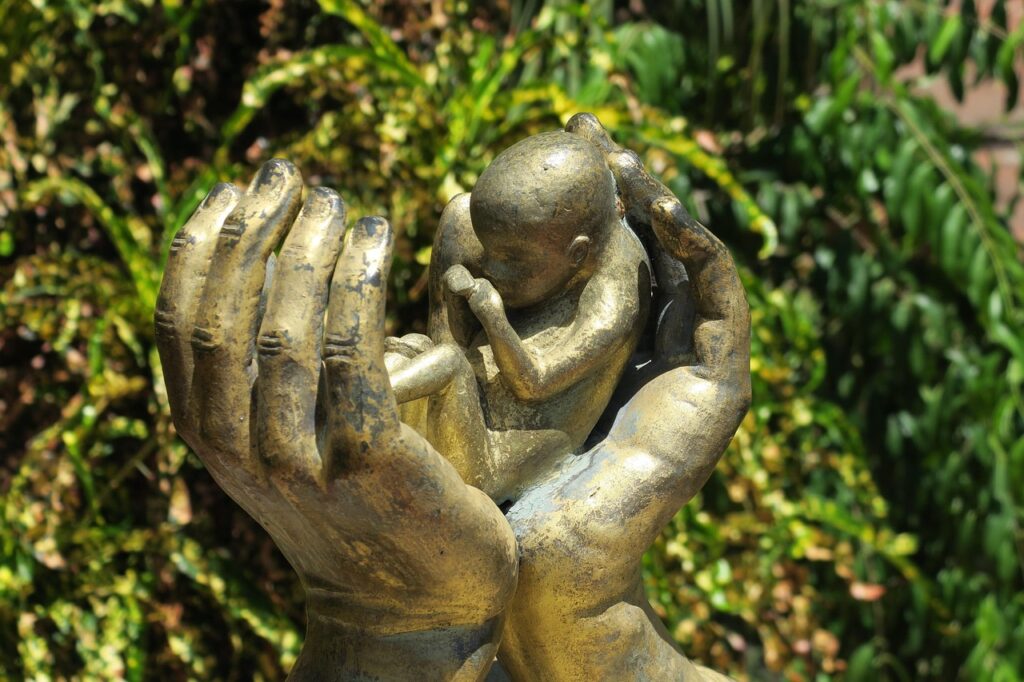
 modern women’s views vs islamic thoughts on abortion. Picture by geralt

Modern Women’s Views vs. Islamic Thoughts on Abortion:

Bridging Faith and Feminism

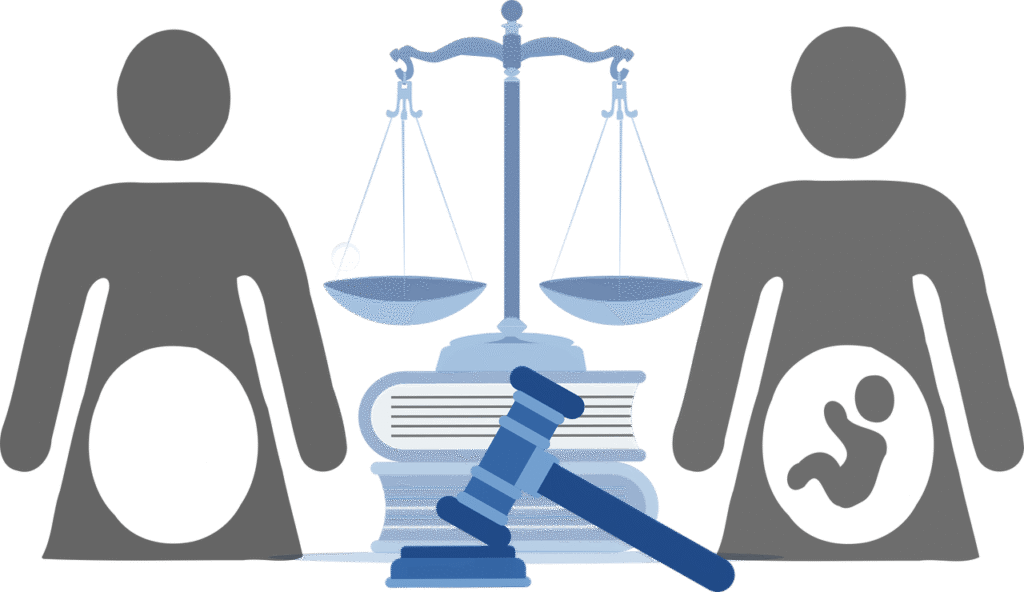
Modern Women’s Views vs Islamic Thoughts on Abortion: Modern women are increasingly advocating for unrestricted access, whereas Islamic jurisprudence permits abortion before 120 days under specific conditions.

A substantial gender disparity in abortion support is evident in the fact that 61% of women in the United States identify as “pro-choice” in the post-Roe era.

Both frameworks prioritise maternal health; however, they differ in their approaches to foetal personhood and physiological autonomy.

14% of women in states that prohibit abortions report experiencing personal difficulties in obtaining medical care, underscoring the disparity between policy and reality.

Islamic Perspectives: Mercy Within Sacred Boundaries

Islamic thought employs a multifaceted ethical framework that balances the divine sanctity of life with compassionate exceptions in the context of abortion. The Qur’an expressly prohibits the killing of children “for fear of poverty” (17:31), thereby establishing the sacredness of life. The 120-day ensoulment principle, which is often cited by scholars, is derived from a prophetic tradition that describes the phases of foetal development that culminate in divine breath (ruh). This demarcation establishes essential boundaries:

Pre-120 Days: Allowable in numerous educational institutions with valid justifications:

Hanafi: The most lenient, permitting abortion for a wide range of socioeconomic or health issues

Shafi’i/Hanbali: Acknowledge significant foetal abnormalities or maternal health threats

Maliki: Abortion is generally prohibited from the moment of conception.

Modern Women’s Views vs Islamic Thoughts on Abortion:

Modern women's views vs islamic thoughts on abortion
Modern women’s views vs islamic thoughts on abortion. Picture by geralt

Modern Women’s Views VS Islamic Thoughts on Abortion.

Post-120 Days: Strictly prohibited, except for maternal life endangerment, which is regarded as the “lesser of two evils” due to the importance of the mother’s established life. Twenty-six. Iran permits thalassaemia diagnoses before 16 weeks, while Bosnia permits abortions for rape victims before ensoulment.

Table: Islamic School Positions on Abortion Timing

SchoolPermitted PeriodAcceptable Grounds
HanafiUp to 120 daysSocioeconomic hardship, health
Shafi’i40-80 daysMaternal health, fetal abnormalities
MalikiGenerally prohibitedNone (life begins at conception)
HanbaliUp to 40-120 daysMaternal life, severe fetal defects

The overarching principle remains: God’s mercy (rahmah) contextualises rulings, despite theological diversity. According to scholar Zahra Ayubi, pre-modern jurists prioritised the preservation of maternal life over the determination of life’s origins.

Contemporary Women’s Perspectives: Rights, Access, and Lived Experiences

Modern women's views vs islamic thoughts on abortion
Modern Women’s Views vs Islamic Thoughts on Abortion. Picture by hhach

The abortion views of post-Roe Americans are marked by a stark gender polarisation. According to Gallup data, 41% of men and 61% of women currently identify as pro-choice, a 20-point disparity that represents the most significant divergence in polling history. This change is the result of tangible experiences:

Barriers to Access: Personal or proximal struggles obtaining care are reported by 14% of women in abortion-ban states, and this figure rises to 21% among reproductive-age women. A total of Travel expenses and wage losses pose additional obstacles for women with lower incomes.

Healthcare Framing: Legal abortion is supported by a majority of individuals in all state policy categories, with 67% of those in ban states viewing it as essential healthcare rather than a moral failure.

Generational Solidarity: The political realignment around reproductive rights is being driven by 76% of women under 30 who support legal access. 

illustrates the demographic support for legal aborti in the United States.

GroupSupport Legal AbortionKey Factors
Women 18-2976%Personal autonomy, healthcare access
College Graduates68%Education correlates with support
Black Women73%Disproportionate maternal mortality
Republican Women41%Intra-party policy misalignment

Notably, Partisan loyalty does not predict lived experience, as evidenced by the fact that 12-15% of Republican, Democratic, and independent women report having abortions, confirming its cross-demographic prevalence.

Divergences and Critical Intersections

Despite their apparent differences, both frameworks exhibit unexpected similarities:

Maternal Primacy: The life and health of the pregnant individual are prioritised by both Islamic jurists and modern advocates, surpassing the potential of the foetus. 

Compassionate Exceptions: The exceptions that 59% of U.S. women support in certain fatwas regarding rape are similar at 21.

Nevertheless, fundamental tensions continue to exist:

Autonomy vs. Personhood: Islamic regulations are founded on the stages of foetal development, whereas contemporary feminism emphasises corporeal sovereignty, irrespective of gestation.

Structural Solutions: In contrast to Islam’s case-by-case mercy model, 81% of women in states with legalised abortions advocate for federal protection. Beyond Monolithic Narratives

Conclusion: Beyond Monolithic Narratives

The abortion discourse is not limited to simplistic binaries. Modern women advocate for systemic reproductive justice, which encompasses not only legality but also economic constraints and information accessibility. Islamic philosophy emphasises contextual ethics, prioritising divine mercy over rigorous dogma.  Both deny the concept of blanket criminalisation, acknowledging that lived experiences necessitate nuance. In order to achieve humane solutions that respect both faith and autonomy, it is imperative to recognise these multidimensional perspectives as policy battles are intensified.

FAQ: Modern Women’s Views vs Islamic Teachings on Abortion

1. When is abortion allowed in Islam?

Pre-ensoulment (≤120 days): Permitted for significant reasons:
Threats to the mother’s life or health.
Severe foetal anomalies (e.g., genetic problems that can’t be treated).
Rape and incest (not widely accepted; different schools have different rules).
After the soul has entered the body (more than 120 days), it is not allowed to do anything except preserve the mother’s life.
The main idea is to find a balance between the sanctity of the foetus and humanitarian exceptions (rahmah).

2. What do contemporary women support?

Main demand: The right to control one’s own body.
Legal access: 61% of women in the U.S. say they are “pro-choice” (Gallup, 2023).
Main goals:
67% of people in states with severe abortion laws support abortion as healthcare.
Getting rid of economic barriers (costs of travel, missed wages).
Federal protection (supported by 81% of states that allow abortion).

3. Is there any agreement between Islamic rulings and feminism?

Yes, on two important points:
Maternal life priority: Both prioritise the mother’s life over the fetus’s.
Some Islamic scholars and 59% of modern women approve exceptions for rape/incest.

4. What are the main ways they are different?

Islam: Life starts at ensoulment (120 days); abortion beyond that is like killing someone.
Modern feminism: Personhood starts at viability or birth; autonomy is more important than foetal rights.
Islam: The Quran (17:31) says that socio-economic difficulty is not a good reason for abortion.
Modern feminism sees financial stability as a valid motive (29% of women seeking abortions said this).

5. What are the differences among Islamic schools?

School’s Timeline for Abortion-Allowed Grounds
Hanafi ≤ 120 daysHealth and socioeconomic difficulties
Shafi’i/Hanbali: 80–120 daysMaternal life, severe foetal anomalies
Maliki: Not allowed (in general), Only to save mom’s life
Shia (e.g., Iran) ≤16 weeksProblems with the foetus, health of the mother.

6. What is the most important policy disagreement right now?

Criminalisation: Women today don’t want bans (related to 21% of maternal health issues in places with bans).
Islamic law (Sharia) considers abortions beyond 120 days to be crimes; however, it only controls early abortions instead of banning them.

I Love Muhammad | Has Been Tragically Misconstrued.

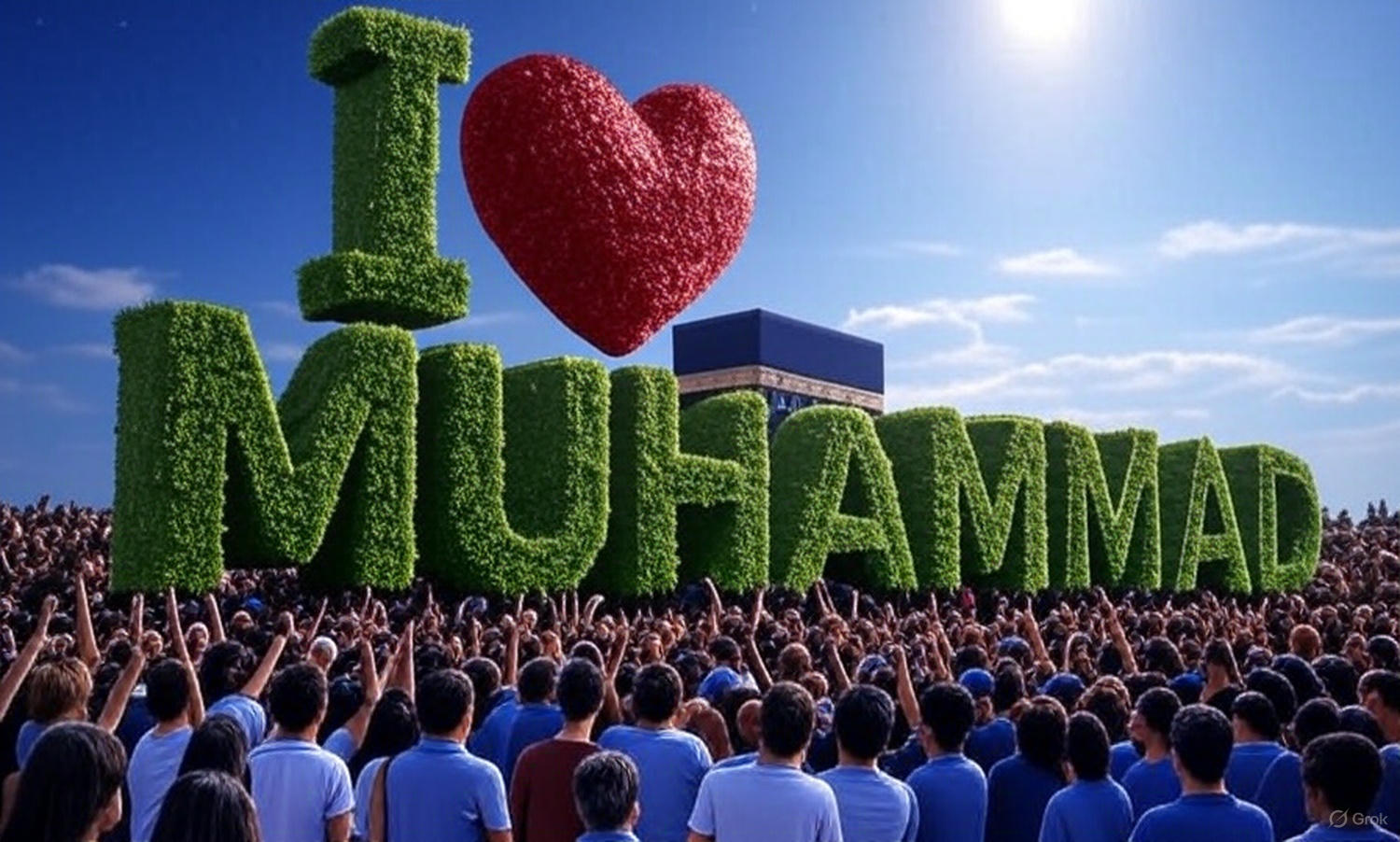
I love muhammad
I love muhammad "image created with ai”
I love muhammad “image created with ai”

A Testament of Faith and a Message of Universal Love

I Love Muhammad: In a world often fractured by difference, the simple, heartfelt declaration, “I Love Muhammad,” has been tragically misconstrued. To millions of Muslims around the globe, and within India’s rich tapestry of faith, this statement is not a provocation but a core tenet of their belief—a peaceful affirmation of devotion to a man they revere as the ultimate embodiment of mercy, compassion, and justice. To reduce this profound spiritual connection to a point of conflict is to misunderstand the very essence of the Islamic faith. There is absolutely nothing wrong with this slogan; it is a message of love, and here is why.

For a Muslim, loving the Prophet Muhammad (pbuh) is as natural as breathing. It is not a political statement but a spiritual imperative, rooted in the Quran itself and flowing from the example of his life. This love is not a blind obsession but a reasoned, deeply felt gratitude for a guide who brought humanity out of darkness and into the light of God’s message.

The Foundation: Love for the Messenger

The primary reason for this love begins with God. Muslims love God, the Creator, above all else. The Quran, which Muslims believe is the literal word of God, was revealed to humanity through the Prophet Muhammad (pbuh). He was the chosen vessel who delivered this guidance, endured persecution for it, and then spent his life exemplifying its teachings. Therefore, to love the Messenger is to love the message he brought—a message of the oneness of God, of accountability, and of compassion.

The Quran explicitly speaks of the Prophet’s elevated status and the bond he shares with believers: “The Prophet is more worthy of the believers than themselves, and his wives are their mothers.” (Quran 33:6). This verse establishes a relationship that transcends mere leadership; it is a bond of kinship and deep spiritual affinity. To love him is to acknowledge this God-ordained connection.

The Man of Mercy: A Beacon for All Humanity

I Love Muhammad: The love for Muhammad (pbuh) is rooted in his character. He was not a distant deity but a human being—a man known, even before his prophethood, as “Al-Amin,” the Trustworthy. His life provides a complete model for how to live with integrity, empathy, and justice.

1. The Mercy to the Worlds:

The Quran describes him as “a mercy to the worlds.” (Quran 21:107). This mercy was not exclusive. His life is filled with examples of compassion that defy the tribal norms of 7th-century Arabia. He ensured the rights of the poor, elevated the status of women by outlawing female infanticide and granting them inheritance rights, and preached kindness to orphans and slaves. He taught that smiling at your brother is charity and that removing a harmful object from the road is an act of faith. The result is not the legacy of a man to be feared, but one to be loved.

2. The Paragon of Forgiveness:

Perhaps the most powerful testament to his character is his capacity for forgiveness. After years of persecution in Mecca, he returned to the city as a conqueror. Instead of seeking revenge, he faced his former tormentors and asked, “What do you think I will do with you?” When they remained silent in fear, he proclaimed, “No blame will there be upon you today. God will forgive you, and He is the most merciful of the merciful.” This act of supreme mercy, which prevented a bloodbath, is a cornerstone of his legacy. Everyone loves such a man.

3. The Advocate for Justice: 

His love for justice was absolute. He famously said, “Even if my daughter Fatima (RA) were to steal, I would cut off her hand.” He established a society where an individual’s worth was measured by their piety and character, not by their tribe, race, or wealth. In a world still grappling with inequality, his dedication to justice remains a powerful inspiration.

A Love That Inspires Goodness

The love for Prophet Muhammad (pbuh) is not a passive emotion; it is an active force that inspires believers to become better people. To love him is to strive to emulate his kindness, his honesty, his patience, and his generosity. When a Muslim says, “I love Muhammad,” they are essentially saying:

  • “I aspire to be truthful, because he was the Trustworthy.”
  • “I will be compassionate to the poor and the marginalized, because he was.”
  • “I will stand for justice, even if it is against my own interests, because he did.”
  • “I will forgive those who wrong me, because he forgave his greatest enemies.”

This love is a moral compass. It is a commitment to living a life of virtue, in homage to the one who showed them the way.

Conclusion: I Love MuhammadA Declaration of Peace, Not Provocation

In the current climate, where identities are politicized and faiths are pitted against one another, it is crucial to return to the essence of such declarations. I Love Muhammad” (pbuh) is a personal, spiritual affirmation. It is as valid and as peaceful as a devotee saying “I love Rama,” or “I love Jesus,” or “I love Krishna.”

The protests that seek to criminalize this expression of love are not just an attack on free speech; they are an assault on the very heart of a Muslim’s faith. They demand that Muslims silence their devotion in the public sphere, creating a hierarchy where one expression of love is deemed acceptable while another is branded as offensive. This is fundamentally at odds with the pluralistic spirit of India, a land that has historically given space to a multitude of faiths.

The message of “I Love Muhammad”(pbuh) is, at its core, a message of love. It is a love that calls for mercy, justice, and compassion—values that are universal and desperately needed today. To understand this is to move beyond prejudice and see the statement for what it truly is: a peaceful testament of faith, a tribute to a man who changed the world for the better, and a reminder that love for a spiritual guide can be a powerful force for good in a troubled world. There is absolutely nothing wrong with that.

FAQ: “I Love Muhammad” – A Testament of Faith

Q1: Why is the phrase “I Love Muhammad” so important to Muslims? Isn’t it enough to believe in God?

A Muslim’s love for God and their love for Prophet Muhammad go hand in hand. People see him as the last messenger because he brought God’s full instructions (the Quran) and lived a perfect life that followed its teachings. In light of this, showing love and respect for him is the best way to honor the lesson he brought and live by it. The tie is spiritual and based on thanksgiving and respect.

Q2: The article mentions the Prophet’s forgiveness and mercy. But isn’t there a history of violence in early Islamic history?

A: Prophet Muhammad’s life was full of defensive fights and political problems, just like the lives of all important historical figures who built a state and a community. The piece, on the other hand, is mostly about the moral lessons he taught and lived by, which Muslims are told to follow. His forgiveness of the people of Mecca after taking it over is a major event in history that shows how he put kindness over revenge, which is a core idea for believers that remains a part of his legacy.

Q3: If this love is so peaceful, why did it spark protests in India?

The protests weren’t against the religious idea itself; they were against how it was misunderstood in a certain political and social setting. The story says that some groups got the meaning of the declaration wrong when they saw it as an angry response or an attempt to convert people in a sensitive setting. The protests weren’t so much about the words themselves as they were about what people saw as a threat to the power of the majority in public places. This brought to light political tensions that were already there.

Q4: What is the key takeaway for non-Muslims reading this article?

The most important thing to remember is that “I Love Muhammad” is a spiritual statement for Muslims first and foremost. This statement is meant to encourage people to be good—to be merciful, fair, and honest—not to be hostile. Similar to religious statements in other religions, seeing it as a sign of strong faith and a commitment to living an ethical life is a key step toward respecting each other and ending pointless arguments.

Q5 : Does this mean Muslims should be able to express this love anywhere, without considering the feelings of others?

In a pluralistic society, the piece makes the case for the right to peacefully express one’s faith. It tells the difference between properly stating your own beliefs and insulting the beliefs of others on purpose. People see the words “I Love Muhammad” as the first type, which is an individual declaration of love. According to the concept of mutual respect, everyone should be able to freely express their religious beliefs as long as it’s not done with bad intentions or to put others down.

General Disclaimer

“Some images on this blog are AI-generated. They are used for creative purposes and do not represent real photographs.”

I love muhammad
I love muhammad

Tattoos Haram vs Halal Tattoos | Islamic Perspective

Tattoos haram vs halal tattoos

Tattoos Haram vs Tattoos Halal : Islamic Perspective: Encompassing religious evidence from the Quran and Hadith, scholarly interpretations, health considerations, exclusions for medical necessities, and guidance on refraining from sin. Understand the reasons why the majority of Muslims consider permanent tattoos to be inapropriate.

Muslim Perspectives on Tattoos: Regulations, Evidence, and Exceptions

Tattoos are a prevalent form of self-expression in contemporary society. In Islam, religious discussions on the permissibility of permanent tattoos hold significant importance. The majority of Islamic scholars, particularly those adhering to the Sunni school, concur that permanent tattoos are haram, indicating their prohibition. This conclusion is founded on religious texts, the principle of environmental conservation, and potential health hazards. But even in this bigger picture, there are details, exceptions, and different points of view that are important to remember. Religion and first-hand stories as proof.

Religious Evidence and Primary Sources

Tattoos are not directly mentioned in the Quran. Instead, the main religious proof against them comes from the Hadith literature, which records the words and actions of the Prophet Muhammad ﷺ.

Why some hadiths are important and how to understand them to understand Tattoos Haram vs Tattoos Halal Islamic Perspective.

A lot of people heard Abu Juhayfah say, “The Prophet (peace and blessings of Allah be upon him) cursed those who get tattoos and those who do them.” One of the most well-known hadiths. There is a clear reason for the ban: this.

One more strong piece of proof comes from Abdullah ibn Mas’ood (may Allah bless him). He said:

“May Allah curse the women who get tattoos and the women who get tattoos, as well as the women who pluck their eyebrows and file their teeth to look better and change what Allah made.” (Sahih Muslim and Sahih al-Bukhari).

Sahih al-Bukhari 5931: In this hadith, tattooing is grouped with other acts that change Allah’s creation just to make it look better. This is a very important idea in Islamic law.

The Quranic Principle of Changing the World

Even though the Quran doesn’t say that tattoos are wrong, experts often quote verse 119 of Chapter 4, which talks about how Satan leads people astray:

“And I will mislead them, and I will arouse in them [sinful] desires, and I will command them so they will slit the ears of cattle, and I will command them so they will change the creation of Allah.”

This verse is used to show that making lasting changes to the body Allah made that aren’t needed is a form of going against nature and might even be listening to Satan’s whispers.

Why do Muslims think that tattoos are wrong? Reasons Behind It

Tattoos haram vs halal tattoos

Scholars have written more about the wisdom (hikmah) behind this rule, giving several reasons:

Changing Allah’s Creation (Taghyeer Khalqillah): The human body is seen as a holy gift from Allah. People believe that permanently changing it with ink is a breach of this trust and an effort to make Allah’s perfect creation better or different without a good reason.

Deception and Vanity: Some classical experts said that tattoos might be a form of deception because they change your body permanently in a way that makes you look better than you really are. Islam encourages people to be thankful and accept themselves as they are, and it warns against waste and ego. 

Imitating Non-Believers: In the early days of Islam, getting a tattoo was often linked to pagan rites and practices that involved many gods. Prophet Muhammad (PBUH) told people not to copy the actions of people who don’t believe in God. Tattoos were sometimes used to show gods or signs of shirk, which means associating partners with Allah. This historical background helps explain why they are forbidden.

Health Risks and Physical Harm: In Islam, hurting your body for no reason is forbidden. When you get a tattoo, needles are stuck into your skin and ink is injected. This can cause infections, skin diseases, and problems with your sweat systems. The Quran tells Muslims, “Do not throw yourselves into destruction” (2:195), which means not doing things that are harmful when they are not necessary.

Issues of Spiritual Purity (Taharah): Some scholars, especially those from the Shafi’i school of thought, have said that tattooing mixes ink with blood and stays under the skin, which could make it harder to do ritual purification (wudu and ghusl) because the skin can’t let water through. Other experts, though, say that modern tattoos don’t always mean that ablution is wrong because the ink is buried under layers of skin.

Opinions that are different and exceptions

There are some cases and minority views, but the majority view is clear.

Temporary vs. Permanent

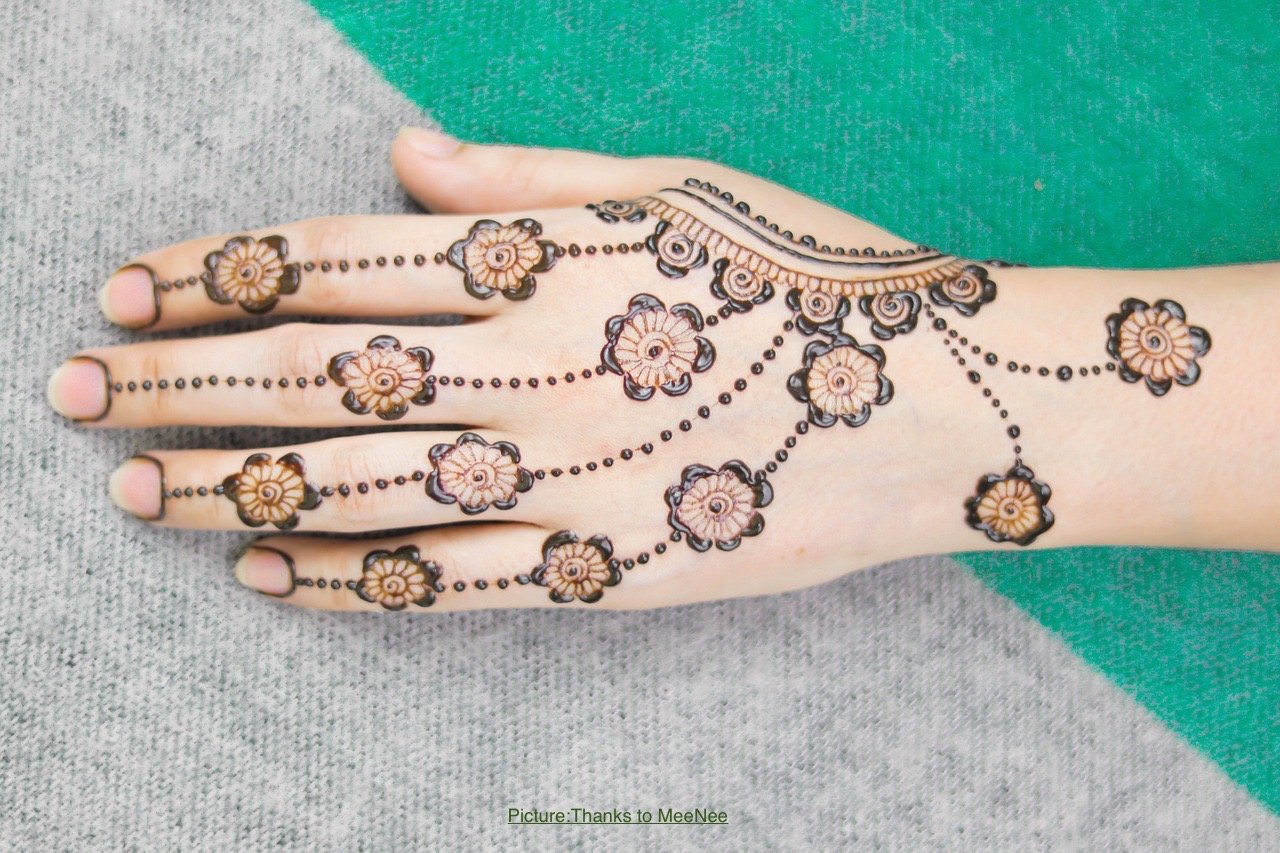
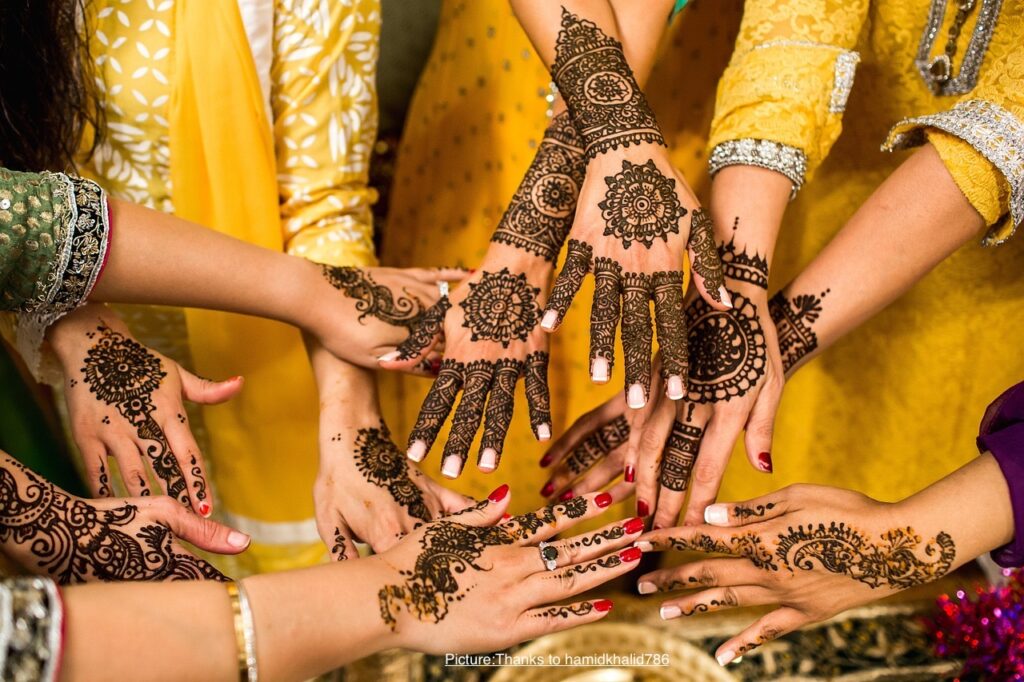
A big difference is made between tattoos that last a lifetime and temporary art like henna. Everyone agrees that women should wear henna, and some even support it on special occasions. It’s a natural dye that stains the skin for a short time and goes away after a few weeks. It doesn’t pierce the skin or change the body permanently. In the same way, current temporary stick-on tattoos are usually okay as long as they don’t have any inappropriate images and are put on parts of the body that are okay to show.

Medical Exceptions

Some rules against doing something can be broken by the idea of necessity (darurah) in Islamic law. It might be okay to get a tattoo if it is medically important. Some examples are

Tattoos to show where the radiation therapy will be done again and again.

People with diabetes or serious allergies can get permanent “medical alert” tattoos.

As part of surgery to rebuild the breasts after a mastectomy, the areola is tattooed.

In these situations, the process is not just for show; it is actually good for your health, which is in line with the Islamic goal of protecting life and health.

The View of Shia and Certain Cultures

It is known that some groups, like those following the Shia faith and some Muslim cultures (like the Amazigh, Bedouin, and Kurdish communities), are more open to tattoos as a way to protect themselves or show their cultural identity. A few Shia experts say that tattoos are okay because the Quran doesn’t say they are wrong and some hadiths might not be true. They call this a “principle of permissibility” and say that it has to be proven otherwise.

What If Someone Already Has a Tattoo?

If you have a tattoo, Islam is a faith that will forgive you.

Pre-Conversion Tattoos: People who changed to Islam after getting tattoos are not blamed for what they did in the past. “Islam erases what came before it” 356 is the main idea. They are forgiven, and they don’t have to go through removal processes that are often painful and cost a lot of money if it is harmful or too much work.

Post-Conversion Repentance A Muslim who got a tattoo even though they knew it was wrong should sincerely say sorry to Allah (tawbah). In this case:

Feeling genuine remorse. 

Stopping the action and making a promise to never do it again.

If the tattoo was suggested by someone else or involved hurting them, ask them to forgive you. Getting a tattoo removed is seen as a good way to show that you are truly sorry, but you don’t have to do it if it causes too much harm, costs too much, or poses a medical risk. Worship Is Valid: Getting a tattoo doesn’t make your prayers or other acts of worship less valid. If someone with a tattoo does ablution (wudu) and ritual bath (ghusl), it is still acceptable because water can still reach the skin.

Conclusion: Tattoos Haram vs Tattos Halal

To sum up, Islamic law on tattoos is mostly based on protecting the natural human form as Allah made it and staying away from practices that have roots in ancient religions and could be harmful. Most Muslim scholars agree that permanent tattoos are against the law because of strong hadith evidence and the concept that Allah’s creation should not be changed unless it is necessary.

The faith does, however, stress Allah’s great kindness and charity. Medical needs are an exception, and temporary decorations like henna are okay. People who already have tattoos, especially ones from before they became Muslim, are not judged and are urged to ask for forgiveness and worship in a sincere way. This fair method shows that Islam’s main goals are to protect faith, life, and well-being while also meeting real people’s needs and situations.

FAQ: Tattoos Haram vs Halal Tattoos Islamic Perspective

Q1: Is it true that all tattoos are Haram (not allowed) in Islam?

A: Most Sunni Islamic experts agree that getting a permanent tattoo is wrong (Haram). Based on Hadith, which are stories from the prophets, this means that both people who give and receive tattoos are cursed. The rule behind the ban is that Allah’s creation should not be changed without a good reason. But temporary decorations like henna are Halal, and women are even urged to wear them on special occasions.

Q2: What is the main religious evidence against tattoos?

A: The Hadith is the main piece of proof. Sahih al-Bukhari says that the Prophet Muhammad (peace be upon him) “cursed the one who does tattoos and the one who has them done.” In another hadith, tattooing is grouped with other acts that change Allah’s creation just to make it look better. There is no clear mention of tattoos in the Quran, but scholars often use the verse that says “changing the creation of Allah” (Surah An-Nisa 4:119) to support this idea.

Q3: Why are permanent tattoos forbidden? What’s the reasoning?

A: Scholars give a number of reasons, such as
Changes to Creation: The human body is a holy trust from Allah, and making permanent changes to it is seen as breaking this trust.
Imitating Non-Believers: In the past, getting a tattoo was linked to pagan practices, and Islam does not allow people to copy non-Islamic habits.
Potential Harm: Getting a tattoo means cutting your skin, which can lead to infections and diseases and goes against the Islamic teaching that you should not hurt yourself.
Spiritual Vanity: Changing one’s natural look can be seen as an act of excessive vanity and a constant attempt to trick other people.

Q4: Are there any exceptions where a tattoo might be permissible (Halal)?

A: It is possible for the concept of necessity (darurah) in Islamic law to make an exception. The main reason is for medical reasons. Some examples are
A tattoo to show where the radiation therapy will be done over and over again.
With a “medical alert” tattoo, you can let people know that you have a serious allergy or diabetes.
As part of surgery to rebuild the breasts after a mastectomy, the areola is tattooed.
In these situations, the tattoo is important for health reasons, not just for looks.

Q5: I got a tattoo before I converted to Islam. Am I sinful?

A: Not really. In Islam, one of the most important ideas is that “Islam erases what came before it.” You are forgiven for everything you did in the past, and you are not responsible for the tattoos you got before you changed your mind. You don’t have to go through painful or expensive removal treatments if they are harmful or too much work for you.

Q6: As a Muslim, I got a tattoo even though I knew it was against the law. What do I do now?

A: You should truly turn away from your sins (tawbah) and ask Allah to forgive you. This includes:
Having real regret for what they did.
firmly deciding not to do the sin again.
If you did something wrong to someone, ask them to forgive you.
Getting rid of the tattoo is a good thing to do that shows you are truly sorry, but it’s not required if it causes too much physical harm, financial difficulty, or medical risk. Your worship, like fasting, prayer, and so on, is still valid.

Q7: Do tattoos invalidate ablution (wudu) or prayer (salah)?

A: Not really. Getting a tattoo doesn’t mean that your cleansing or prayers aren’t valid. It is still possible for water to reach the skin during ritual purification (wudu and ghusl), so your worship is still acceptable.

Q8: Do all Muslim scholars agree on this ruling?

A: All four Sunni schools of law agree on one thing: lasting tattoos are against the law. Shia scholars and Muslims from some groups may have more open-minded views, though, because they see the evidence or past cultural practices in a different way. Always talk to an expert you trust who knows what they’re talking about.

https://dosalah.com/dosalah-com-dosalah-com-shahada-constitutes-one/

The Islamic Tradwife:(traditional wife) Beyond the Trend

The islamic tradwife: (traditional wife). "image created with ai"
The islamic tradwife: (traditional wife)beyond the trend
The Islamic Tradwife: (traditional wife). “Image created with AI”

The Islamic Tradwife: Divine Responsibilities in Modern Homes

The Islamic Tradwife: (traditional wife): following God’s rules while running a home today.

The Islamic Tradwife: (traditional wife) movement has become famous around the world by romanticizing housework before feminists came along. For example, “tradwifes” wear old dresses to bake bread and support traditional family structures. But Islamic culture has a very different view of women’s roles in the home. It is based on divine revelation, spiritual purpose, and balanced responsibilities instead of nostalgic beauty. In Islam, the job of the housewife goes beyond current trends and represents a sacred trust that will last forever.

Defining Islamic “Tradwife” Beyond the Trend

In contrast to the Western tradwife movement, which looks like it came from the 1950s, Islamic homemaking is based on the Quran and Sunnah. The word “tradwife” is new, but the rules about what a Muslim wife should do have been around for a long time:

Spiritual Framework: In the Quran (30:21), marriage is described as a relationship where two people find “tranquility” through “love and mercy” for each other, not through hierarchy or control.

 Rejection of Vilification: Alena Pettitt, a Christian tradwife agree that society puts low value on housework, but Islam sees it as a form of kindness that God rewards. 

 Non-Compulsory Role: In Islamic history, women like Khadijah (RA) (a trader) and Aisha (RA) stand out. Homemaking is admired, but it’s not the only thing Muslim women should do. Core Duties: More Than Just Cooking and Cleaning

Image 44
The Islamic Tradwife: (traditional wife) “Image created with AI”

Core Responsibilities: Beyond Cleaning and Cooking

The traditional Muslim wife has responsibilities that go beyond physical chores and include spiritual, emotional, and social ones as well:

1. Nurturing a Sanctuary of Faith

For the family, the house is a mosque (masjid). A wife takes care of it by:

Moral Education:Teaching kids Islamic morals and ideals is called moral education.

Emotional Refuge:Offering her husband peace after the troubles of the world, reflecting the Quranic word for “peace” (sakina).  

Holy Housework: When done with niyyah (intention), cooking and cleaning become worship. A hadith says that a wife’s great care for her husband is the same as war.  Being Obedient with Respect

2. Obedience with Dignity :

Obedience in Islam is often taken in the wrong way. What it needs:

Mutual Consultation: Family choices are made with the help of shura. There can only be one captain of the ship, as Dr. Khan says, but the “captain’s mate” has a role and is important. 

Guardianship, Not Servitude: The Quran says that wives should protect the privacy and resources of the home (4:34), but it also says that men should not use or hurt their wives. 

3. Spiritual and Financial Power of the Islamic Tradwife: (traditional wife)

The Islamic Tradwife: (traditional wife):In spite of common beliefs, the Muslim housewife has freedom

Financial Independence: All of her money, including mahr, is hers and hers alone. She doesn’t have to give up her earnings to work, study, or do good works.

Sacred Selfhood: Her worth isn’t based on how much she works. “Life isn’t just about me,” says one Muslim writer, but her spiritual identity comes before her marriage roles.

The Balance of Husbands’ Duties

Islam rejects one-sided sacrifices. A wife’s responsibilities are matched by her husband’s obligations:

Wife’s ResponsibilitiesHusband’s Duties
Create a harmonious homeProvide safe, private accommodation
Obey in reasonable mattersShow kindness, avoid harshness
Guard marital privacyFinancially support all family needs
Support husband’s well-beingConsult on family decisions

One-sided sacrifices are not allowed in Islam. The duties of a woman are the same as those of her husband:

This is what the Prophet Muhammad (PBUH) did: he fixed clothes, ate with his wives, and played with them.  Supporting the family financially is fard (required), but if wives give money on their own, that’s sadaqah.

Today’s Realities: Being Flexible Without Giving Up

The rules in the Quran can be applied to modern situations:

Dual-Income Homes: A lot of Muslim families need homes with two incomes. Salma Foudeh, a convert, works while her husband takes care of the house. They see this as an Islamically acceptable arrangement because of the economy.  

Rejecting Rigid Nostalgia: Islamic scholars say that Western ideals from the 1950s shouldn’t be forced onto parts in the Quran. Real custom is based on what the Prophet did, not on how something looks. 

Spiritual Equality: The Quran 4:1 says that men and women “are created from a single soul,” which means they have the same spiritual worth and responsibility.  

Dealing with Misconceptions

Oppression vs. Choice: Being a “tradwife” is only okay if you choose to live that way on your own. In Islam, being locked up or forced to work goes against the rights to education and legal agreement. 

 Beyond the Home: In the early days of Islam, Khadijah was a businesswoman and Fatimah was a housewife. Muslim women today go in many different directions without sinning. 

 Global Diversity: A “traditional” home in Jakarta might look different from one in Cairo or London, but they are all true as long as they are based on the mercy of the Quran. 

Trying to Clear Up Modern Myths: 

Choice vs. Force: You have to choose to be a “tradwife” in order to be one. Quranic rights to schooling (Quran 39:9) and civic participation are violated by being locked up against your will. 

Beyond Binary Debates: The Quran 4:124 says that “anyone, male or female, who does good deeds and has faith will enter Paradise.” 

Global Expressions: This is something that online arguments about “tradwife vs. boss woman” don’t look at.  World Languages: Indonesian Muslimah homesteaders who post rendang recipes on TikTok, Emirati moms who teach robots at home, and Nigerian wives who co-run farms are all good examples of “tradwives” who are rooted in the love of the Quran.

Conclusion: Sacred Balance, Not Fad Styles

The Muslim “tradwife” is not a response to feminism; she is a completion of a divine promise. Her duties, which come from caring, worship, and doing what’s right, make housework more than just a chore; they’re an act of faith. “He made mates for you from among yourselves so you may find peace,” says the Quran (30:21). In this balance of rights and responsibilities, neither partner is in charge. They both serve God and keep the home a place where love, mercy, and respect for each other rule.

FAQ: The Islamic “Tradwife” – Divine Duties in Modern Homemaking

1. Q: Is being a “tradwife” mandatory in Islam?

A: Not really. In Islam, women can have many jobs, not just stay at home and do chores. Khadijah (RA) worked as a trader, Aisha (RA) as a scholar, and Fatimah (RA) as a housewife who also did work for the community. Quran 16:97 says that the choice is up to the woman and her skills.

2.Q: What kind of technology does an Islamic housewife use?

A: As a holy tool:
Putting together digital Islamic learning materials for kids
building halal ways to make money through online companies
Joining online support groups for moms while wearing a digital hijab (a modesty dress code).
is one example. Another is using Quranic apps for bedtime stories or starting a home bakery on Instagram.

3.Q: What makes the Islamic tradwife (traditional wife) different from tradwife groups in the West?

A: The Islamic Tradwife: (traditional wife) Based on the Quran and Sunnah. Protection of financial rights.

4. Q: Can she work somewhere else?

A: Yes, but with these conditions:
Agreement between two spouses
Taking care of basic family tasks
(Fatwa: Council of Senior Scholars, Saudi Arabia) Work doesn’t hurt faith or humility. Quran 4:32 says that her income stays hers alone.

5. Q: How does she teach her kids?

A: As the main mental builder:
Including the Quran and Tawhid in daily life
uses play to teach Sunnah (faith lessons like gardening and cooking)
Works with schools to make sure that Islamic ideals are taught in all of them.

6.Q: Is “obedience” to a wife a must?

A: Not really. To obey means to:
Requests must be fair and cannot go against Islamic law.
Balanced by the husband’s duty to be kind (Quran 4:19)
Based on shura, which means “mutual consultation,” like the Prophet (PBUH) did with his wives

7.Q: What happens if men don’t do what they need to do?

A: In Islam, women have the right to:
Counseling using verse 4:34 of the Quran (“live with them honorably”)
Help for the family
The Islamic court steps in to protect rights
Note: Emotional or financial disregard is against the marriage contract.

8.Q: How does this job help with mental health problems in the modern world?

A: By way of mental structures:
Doing chores around the house as dhikr
Being aware of difficulties as tests for ajr
Prayer and group support can help you feel stronger (Study: International Islamic University Malaysia connects faith-based homemaking to resilience).

9.Q: What if someone is a woman and also an Islamic tradwife?

A: Yes, if freedom of speech means
Using the choices God has given you (home, job, or both)
Demanding rights from the Quran (like respect and power over money)
Fighting back against both patriarchal abuse and the secular devaluation of homemaking

10.Q: What is the most important mental goal for The Islamic Tradwife: (traditional wife)?

A: The Islamic Tradwife: (traditional wife)-Making the house a “micro-masjid”:  
– Where meals turn into charity (sadaqah) – Where chores clean the heart (tazkiyah)  
– Where kids’ laughter fills the air during service  
For the Prophet (PBUH) said, “The best among you is best to his family” (Tirmidhi).  
Important Point: If you look at an Islamic tradwife, she is neither quiet nor reactive. She’s a spiritual strategist who builds holistic homes based on divine principles. These homes include technology, education, and freedom while being rooted in eternal knowledge.
“Allah elevates those who transform daily bread into worship, and homes into gardens of Paradise.”