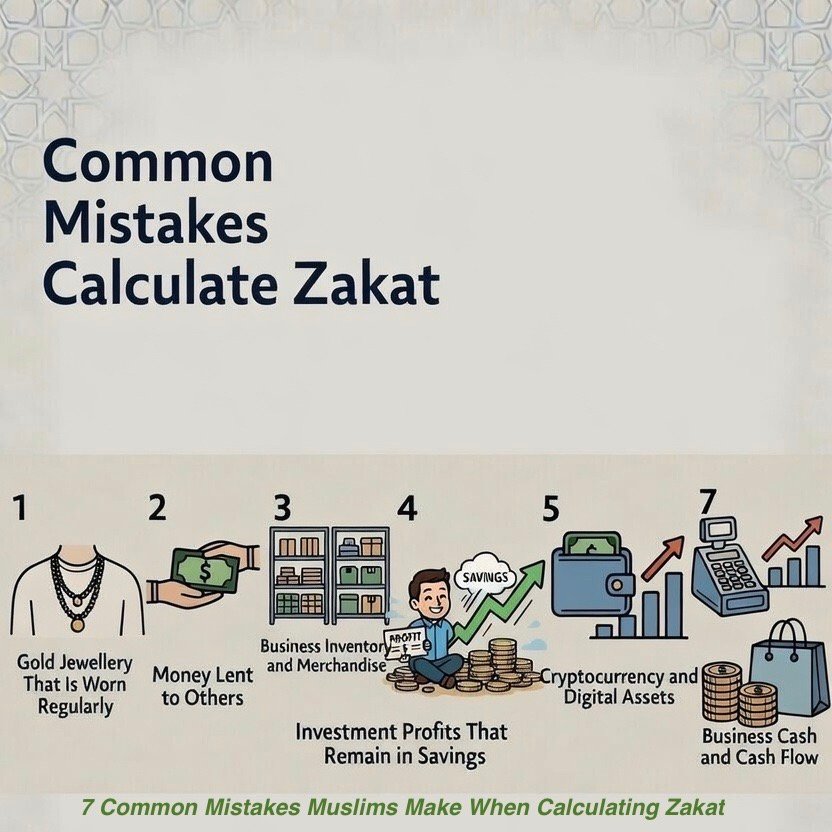
7 Common Mistakes Muslims Make When Calculating Zakat

7 surprising things that need zakat
Image 63
7 common mistakes muslims make when calculating zakat 4

7 Surprising Things That Need Zakat (Many Muslims Forget About Them)

7 Common Mistakes Muslims Make When Calculating Zakat (Many Muslims Forget About Them)

7 Surprising Things That Need Zakat (Many Muslims Forget About Them): Are you making these 7 common Zakat mistakes? Learn which surprising assets (like loans you gave out and business inventory) are due for Zakat and how to calculate them properly.

One of the five bases of Islam is zakat, which is an important act of worship that helps those in need and cleans up wealth. Many Muslims know that they need to pay Zakat on their savings, gold, and some businesses. But there are other types of assets that are often forgotten. Because of this, every year some people pay too little Zakat without meaning to.

To make sure that your Zakat is calculated properly, you should know what kinds of wealth are zakatable. A lot of Islamic scholars agree that Zakat refers to money that could grow or make more money. This includes money, goods for trade, and other things that can be used as money.

Here are seven surprising things that often need Zakat but are forgotten when people figure out their monthly duty.

Gold Jewellery That Is Worn Regularly

A lot of people think that jewelry worn for personal reasons is not subject to Yakat. Numerous teachers, on the other hand, say that gold and silver jewelry are still subject to Zakat, even if they are not worn often.

As an example, someone might own gold bands, necklaces, rings, or bangles that they bought to look nice. These things are still wealth even though they are not being bought or sold. Gold and silver are usually counted toward Zakat because they have value on their own and are easy to turn into cash.

The important thing to remember is that Zakat is based on how much the gold or silver is worth on the market right now, not how much was paid for it when it was first bought. If someone’s zakatable wealth, which includes jewelry, hits the Nisab level and has stayed there for one lunar year, they have to pay zakat.

2. Money Lent to Others

People also often forget about money they’ve given to family, friends, or business partners. When you lend someone money and expect to get it back, that money is usually counted as part of your wealth.

If someone gives a friend £5,000 with the agreement that the money will be returned, that amount should still be taken into account when figuring out Zakat. The lender still has legal ownership of the money, even though it is currently in the care of someone else.

Some scholars say that if you are likely to return the loan, you should pay Zakat every year. Some people say that Zakat should be paid when the money is returned. The loan can’t be left out of the equation in either case.

A lot of people don’t realize how much zakatable wealth they have because they only look at the money in their bank accounts.
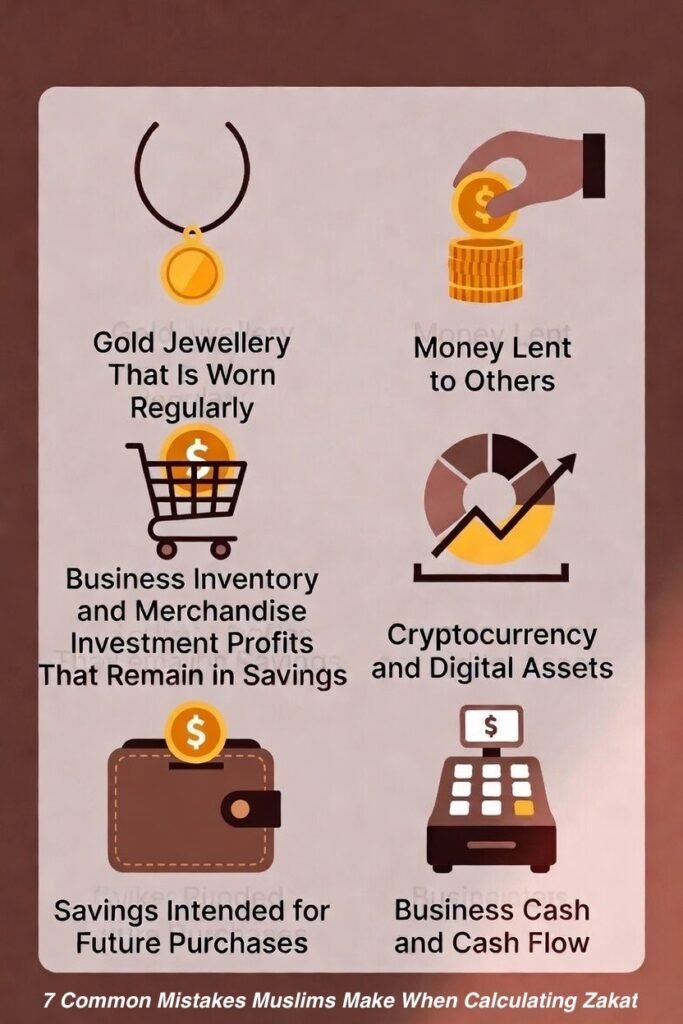
Image 60
7 common mistakes muslims make when calculating zakat 5

3. Business Inventory and Merchandise

Businesses are required to determine Zakat in accordance with the inventory they possess for sale. This encompasses items that are sold in stores, items that are stored in warehouses, and items that are sold in quantities.

The zakatable wealth of a shop proprietor is the sum of the market values of all the items they sell, including electronics, books, clothes, and other items. In the same vein, an individual who operates an online store must specify the value of their inventory.

Most of the time, the expected selling price of the goods at the time Zakat is due is used instead of the price that was paid for them in the first place. When you add up the values of all of your zakatable assets and bills, and then take away the values of your inventory, you get the standard rate of 2.5%.

Business goods can be worth a lot of money, so forgetting to include it can cause a big mistake in the calculations.

4. Investment Profits That Remain in Savings

Stocks, mutual funds, and other types of investments can earn you money in the form of income or gains. If people take these earnings and save them, they become part of their zakatable wealth.

For example, if someone owns stocks and saves the dividends money in a bank account, that money is treated like any other savings. If the total wealth is more than Nisab and a lunar year has passed, Zakat must be paid on that amount.

The cash profits that build up over time, even if the investments are for a long time, are still due to Zakat. A lot of people forget this because they only think about their main bank account and not the money that comes in from investments.

5. Cryptocurrency and Digital Assets

In the past few years, cryptocurrency has grown into another form of wealth that many people around the world own. A lot of people think of digital currencies like Bitcoin and Ethereum as assets that have value and can be sold or turned into cash.

Because of this, most modern experts see cryptocurrency as wealth that can be used for zakat. If someone has digital assets worth more than the Nisab limit, they need to pay Zakat.

The market price at the time Zakat is paid is often used to figure out the amount. Since the prices of cryptocurrencies can change a lot, the valuation should be based on the value on the day that the Zakat figure is made.

As digital money spreads, more and more Muslims are realizing that cryptocurrencies should not be forgotten when figuring out Zakat.

6. Savings Intended for Future Purchases

A common mistake is that money set aside for a certain reason is not subject to Zakat. Saving money does not get rid of the duty to perform Zakat, despite what some people think.

One might be saving for things like:

Amr or Umrah

A down payment on a house

A new car

Costs of education

Getting married costs

The person has saved the money for a big goal in the future, but it is still part of their wealth while it is in their account. So, if the amount is more than the Nisab and a lunar year has passed, Zakat must be paid.

A lot of people put off paying Zakat on these kinds of savings because they think the money is already “set aside.” From the point of view of Zakat, it is still possible wealth.

7. Business Cash and Cash Flow

The cash that a business has is another asset that is easy to forget about. This can be money in a business’s bank account, cash on hand, or operating capital that is used for day-to-day tasks.

The owner or partners still own this money, even though it’s used to run the business. Because of this, it is part of their zakatable wealth.

A small shop might keep a few thousand pounds in a till or business account so that it can buy goods and keep track of its spending. When calculating other assets that can be used for zakat, this money should be included.

Before determining the final Zakat amount, business owners subtract any short-term debts or liabilities and accumulate their cash, inventory, and other assets that qualify.

Why Understanding Zakatable Assets Matters

Properly calculating Zakat is not only a religious obligation, but also a financial one. Zakat ensures that resources are distributed throughout the community and that prosperity is cleaned up, thereby assisting individuals who are impoverished or in debt.

Without intending to, Muslims may fail to pay the appropriate amount of Zakat when they neglect certain obligations. Conversely, comprehending the true definition of zakatable wealth enables individuals to fulfill their obligations with sincerity and assurance.

One good way to keep track of your wealth is to look at it all once a year and ask yourself one simple question: Is this asset money or something that is easy to turn into money? It might need to be added to the Zakat estimate if the answer is yes.

Conclusion:7 Common Mistakes Muslims Make When Calculating Zakat

Zakat is to make people more fair, caring, and accountable to others. Many people remember to calculate Zakat on their bank savings, but it’s easy to overlook other things.

Zakat may be due on things like gold jewelry, business goods, investment returns, cryptocurrency, deposits for future purchases, and cash from a business. If you remember these things, you’ll be able to figure out your Zakat correctly every year.

FAQ: 7 Common Mistakes Muslims Make When Calculating Zakat

1. Do I have to pay Zakat on the gold jewelry I wear every day?

A-Yes, according to the majority of scholars. Even if gold jewelry is worn daily for personal use, it is still considered a store of wealth. You must include its current market value in your zakatable assets if it takes your total wealth over the Nisab threshold for a full lunar year.

2. I lent money to a friend. Do I still need to pay Zakat on it while they haven’t paid me back?

A-Generally, yes. Money that you have lent out with the expectation of getting it back is still considered part of your wealth. Most scholars advise that you should pay Zakat on it annually if you are confident the loan will be repaid. If the debt is with someone who is struggling and unlikely to pay, it may be treated differently.

3. Is Zakat due on money I am saving for a specific goal, like buying a house or a car?

A-Yes. In Zakat calculation, the purpose of the savings does not matter. If the money is sitting in your account, you have full access to it, and it has been there for a year, it is considered part of your wealth. You must pay Zakat on it regardless of what you plan to use it for in the future.

4. How do I calculate Zakat on my cryptocurrency?

A-Cryptocurrencies like Bitcoin are generally considered zakatable assets by modern scholars. You should calculate Zakat based on the market value of your crypto assets on the day your Zakat is due. If the total value meets or exceeds the Nisab, you pay 2.5%.

5. I own a small business. Do I pay Zakat on the products I haven’t sold yet (my inventory)?

A-Yes. This is a common mistake. You must calculate Zakat on your business inventory (stock-in-trade) . This means you take the current market value of all the goods you have for sale (what you could sell them for today) and add that to your cash assets before calculating your total zakatable wealth.

General Disclaimer:

Always consult a Islamic scholar, or legal professional before making significant decisions.”

Liability:The author and publisher are not liable for financial, legal, or religious outcomes arising from the use of this information.
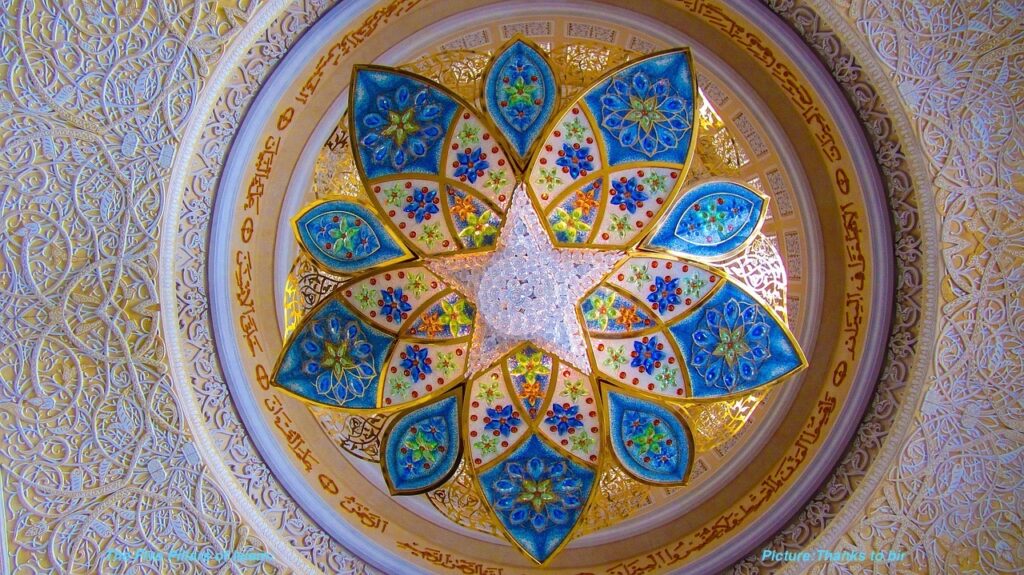
The Five Pillars of Islam | A Complete Guide

The five pillars of islam

The Five Pillars of Islam:(Arkān al-Islām) 

The Five Pillars of Islam: If you ask a Muslim what it means to “practice” their faith, they will probably talk about the Five Pillars of Islam. These pillars are more than just a list of things that need to be done. Together, they make up a living architecture—a balanced and all-around system that is meant to feed a person’s spirit, train their body, and connect them to their society and Creator. For Muslims, these are the most important things in life because they make faith into action.

A Living Plan for a Meaningful Life

The structure comes from a famous saying (or Hadith) of the Prophet Muhammad (peace be upon him). In it, he said that Islam is based on five things: confession of faith, prayer, charity, fasting, and travel. These actions, from the everyday to the once-in-a-lifetime, really amaze me because they all fit together to make a whole way of life. Let’s look at each one not as separate rituals but as parts of a beautiful whole that are all linked.

Arkān al-Islām

1. The Shahadah, or Statement of Faith

“I bear witness that there is no god but God, and I bear witness that Muhammad is the messenger of God.” This is the Shahadah, which is a simple but powerful statement. This is how to become a Muslim, but to see it as just a password would be to miss its meaning.

Shahadah:The first part, “La ilaha illa Allah,” is like a major shift in how you think about life’s goals. It’s a clear refusal of all the modern “gods” that can rule our lives, like money, power, ego, and desire. It’s the most important statement of purpose; nothing else is worth our full dedication. The actual part is the second part, which is accepting Muhammad (peace be upon him) as God’s messenger. His lessons are the real “user manual” for how to live in a way that pleases God. This statement is the “why” that all the other “hows” are based on.

2. Salah: Resetting Yourself Every Day

Muslims pray five times a day, from early morning to late at night. This is called Salah. Seeing a Muslim stop in the middle of a busy job to pray might have made you wonder what they were doing. Basically, it’s a daily re-calibration.

Salah: As people say words from the Quran during the prayer, they stand, bow, and prostrate themselves. This act of submission is a strong warning that breaks the hypnotic spell of daily work. If you have a direct, personal meeting with God, it can help you start over spiritually. Like how we charge our phones during the day, Salah charges the soul and brings one’s actions and thoughts back in line with what the Shahadah says. Prayer “restrains from shameful and unjust deeds” (Quran 29:45) is a beautiful way to put it. The practical teaching is what keeps the statement of faith from just being a slogan.

The five pillars of islam

3. Zakat: Putting your social conscience to work

The connection between a person and God is prayer. The relationship between a person and society is Zakat, which is the required charity. Giving 2.5% of your savings to the poor and needy is not just a random act of kindness; it’s a yearly duty for people with a certain amount of money.

The Five Pillars of Islam: Zakat is brilliant because it takes a systemic method to helping people. In the modern sense, it’s not a tax. Instead, it’s an act of prayer that makes money pure by recognizing that everything we have comes from God. By making people give a certain amount, it keeps wealth from staying in the hands of a few people and builds a strong sense of group duty. The goal of Zakat is to create a society where everyone who has enough money is constantly working to help others get out of poverty. It is the fair treatment of money that comes easily from believing in God as One.

4. Sawm: A Soul Boot Camp Every Year

Muslims observe Sawm, or fasting, once a year, during the whole month of Ramadan. Between sunrise and dusk, they don’t eat, drink, or get married. It seems like it’s just about not eating or drinking during Ramadan, but anyone who has been through it knows it’s so much more than that.

The Five Pillars of Islam: Sawm: (Fasting) is a tough way to learn self-control and compassion. The pain of hunger is a steady reminder of those who have to live with it, which makes the lessons of Zakat stick in your mind. This is the month to carefully keep your mouth shut about rumors, your mind clear of bad thoughts, and your heart free of greed.

The Prophet Muhammad (peace be upon him) said that Ramadan was a month of patience, and the meals that are shared before dawn and at night make people feel very close to each other and thankful. Not only do you come out of it thinner, but your character is better and you feel more thankful for the things you usually take for granted.

5. Hajj: The Great Gathering of All People

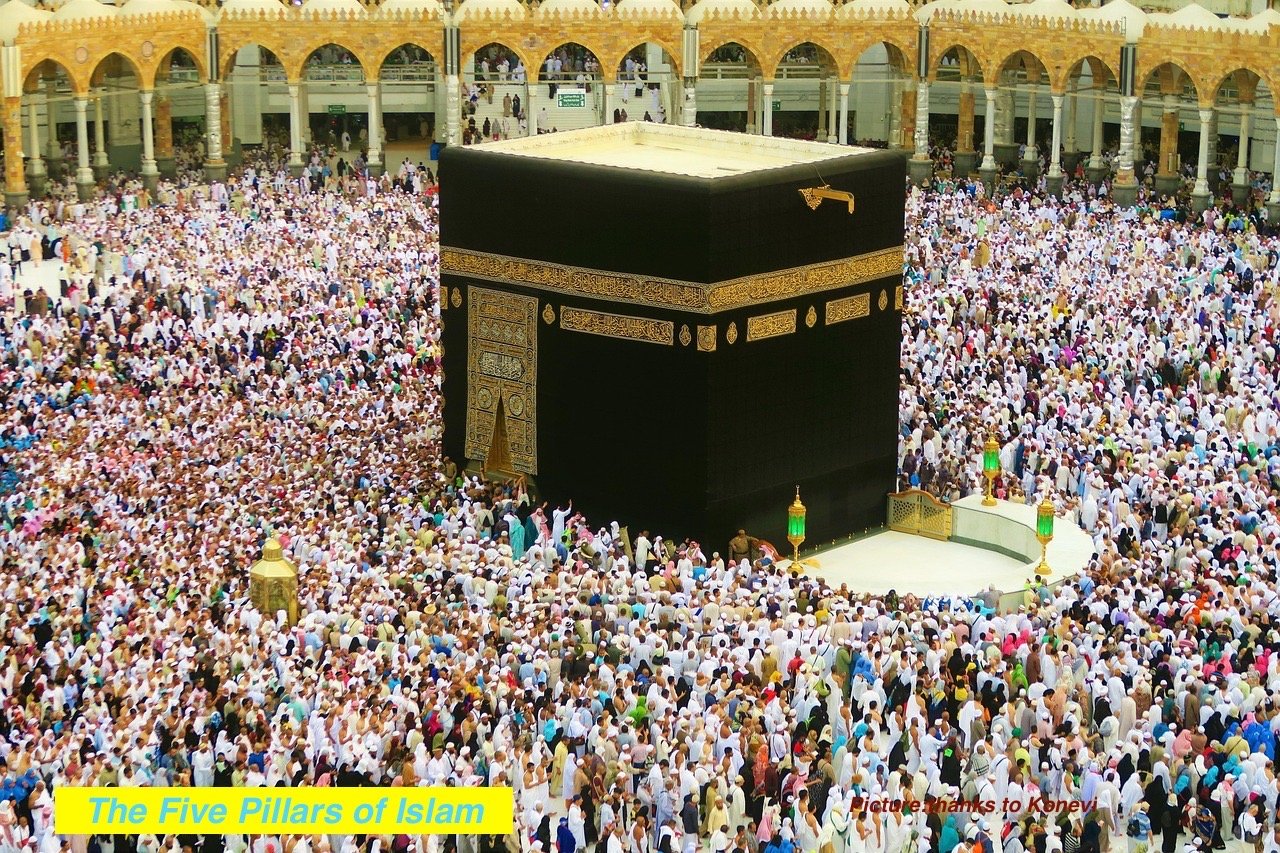
The fifth and final pillar is the Hajj, which is a trip to Mecca to pray. People who are physically and financially able only have to do it once in their lives. A powerful rite that lasts for several days, the Hajj is in many ways a microcosm of the journey of life itself.

The Five Pillars of Islam: In a number of ceremonies that honor the faith of Abraham and his family, pilgrims all wear the same simple white clothes. It gets rid of race, nationality, and social position. A CEO and a farmer are standing next to each other. The lesson is clear: piety, not worldly wealth, makes a person truly noble in God’s eyes. The hard physical work, the need for patience, and the sheer number of different kinds of people on the trip are all life-changing experiences that complete a Muslim’s spiritual education. This is the best example of what it means to say “La ilaha illa Allah.”

The conclusion is that the tapestry is linked.

When you look at the Five Pillars of Isalm as a whole, you’ll be amazed at how well they work together. The main point is the Shahadah. The daily practice of the Salah makes it stronger. The Zakat is the sense of duty to others that comes from it. The Sawm is the yearly hard training that makes it stronger. And for people all over the world, the Hajj is the ultimate, most immersive experience that represents it.

They are not a burden, but a gift—a balanced and caring framework that grows a heart linked to God, a self in charge of its wants, and a citizen actively involved in society’s well-being. All of them work toward a meaningful life one prayer, one act of kindness, and one spiritual task at a time.

References

Ali, K. (2014). The Lives of Muhammad. Harvard University Press.

Aslan, R. (2011). No god but God: The Origins, Evolution, and Future of Islam. Random House.

Esposito, J. L. (2010). Islam: The Straight Path (4th ed.). Oxford University Press.

The Quran. English translation by M.A.S. Abdel Haleem (2004). Oxford University Press.

Sahih al-Bukhari. The Book of Faith. (9-vol. trans. by M. Muhsin Khan, 1997). Darussalam.

Sahih Muslim. The Book of Faith. (5-vol. trans. by Nasiruddin al-Khattab, 2007). Darussalam.

FAQ: The Five Pillars of Islam – A Living Plan for a Meaningful Life

Q1- What are the Five Pillars of Islam?

A: If you ask a Muslim what it means to “practice” their faith, the conversation will almost certainly turn to the Five Pillars of Islam. These pillars are far more than a checklist of duties. Together, they form a living architecture—a balanced and comprehensive system designed to nurture an individual’s spirit, discipline their body, and connect them to their community and Creator. They are the foundational acts of worship that transform abstract faith into tangible, daily action.

Q2-Where does the concept of the Five Pillars come from?

This framework is established in a famous saying (or Hadith) of the Prophet Muhammad (peace be upon him), in which he stated that Islam is built upon five foundations: the statement of faith, the establishment of prayer, the giving of charity, fasting in Ramadan, and the pilgrimage to Mecca. These actions, which can happen every day or only once in a lifetime, are beautiful because they fit together to make a whole and logical way of life.

Q3-What is the first Pillar, the Shahadah?

The first pillar is the Shahadah, a simple yet profound declaration:”I bear witness that there is no god but God, and I bear witness that Muhammad is the messenger of God.” This is the Shahadah, which is a simple but powerful statement. This is how to become a Muslim, but to see it as just a password would be to miss its meaning.

The first part, “La ilaha illa Allah,” is like a major shift in how you think about life’s goals. It’s a clear refusal of all the modern “gods” that can rule our lives, like money, power, ego, and desire. It’s the most important statement of purpose; nothing else is worth our full dedication. The actual part is the second part, which is accepting Muhammad as God’s messenger. His lessons are the real “user manual” for how to live in a way that pleases God. This statement is the “why” that all the other “hows” are based on.

Q4-What is the purpose of praying five times a day (Salah)?

The second pillar, Salah (ritual prayer), involves praying five times a day at prescribed times. Muslims pray five times a day, from early morning to late at night. This is called Salah. Seeing a Muslim stop in the middle of a busy job to pray might have made you wonder what they were doing. Basically, it’s a daily re-calibration.

As people say words from the Quran during the prayer, they stand, bow, and prostrate themselves. This act of submission is a strong warning that breaks the hypnotic spell of daily work. If you have a direct, personal meeting with God, it can help you start over spiritually. Like how we charge our phones during the day, Salah charges the soul and brings one’s actions and thoughts back in line with what the Shahadah says. Prayer “restrains from shameful and unjust deeds” (Quran 29:45) is a beautiful way to put it. The practical teaching is what keeps the statement of faith from just being a slogan.

Q5-How is Zakat different from ordinary charity?

The third pillar, Zakat, The connection between a person and God is prayer. The relationship between a person and society is Zakat, which is the required charity. Giving 2.5% of your savings to the poor and needy is not just a random act of kindness; it’s a yearly duty for people with a certain amount of money.

Zakat is brilliant because it takes a systemic method to helping people. In the modern sense, it’s not a tax. Instead, it’s an act of prayer that makes money pure by recognizing that everything we have comes from God. By making people give a certain amount, it keeps wealth from staying in the hands of a few people and builds a strong sense of group duty. The goal of Zakat is to create a society where everyone who has enough money is constantly working to help others get out of poverty. It is the fair treatment of money that comes easily from believing in God as One.

Q6-Why do Muslims fast during Ramadan (Sawm)?

The fourth pillar, Sawm, Muslims observe Sawm, or fasting, once a year, during the whole month of Ramadan. Between sunrise and dusk, they don’t eat, drink, or get married. It seems like it’s just about not eating or drinking during Ramadan, but anyone who has been through it knows it’s so much more than that.

Fasting is a tough way to learn self-control and compassion. The pain of hunger is a steady reminder of those who have to live with it, which makes the lessons of Zakat stick in your mind. This is the month to carefully keep your mouth shut about rumors, your mind clear of bad thoughts, and your heart free of greed. The Prophet Muhammad said that Ramadan was a month of patience, and the meals that are shared before dawn and at night make people feel very close to each other and thankful. Not only do you come out of it thinner, but your character is better and you feel more thankful for the things you usually take for granted.

Q7-What is the significance of the Hajj pilgrimage?

The fifth and final pillar is the Hajj, which is a trip to Mecca to pray. People who are physically and financially able only have to do it once in their lives. A powerful rite that lasts for several days, the Hajj is in many ways a microcosm of the journey of life itself.
In a number of ceremonies that honor the faith of Abraham and his family, pilgrims all wear the same simple white clothes. It gets rid of race, nationality, and social position. A CEO and a farmer are standing next to each other. The lesson is clear: piety, not worldly wealth, makes a person truly noble in God’s eyes. The hard physical work, the need for patience, and the sheer number of different kinds of people on the trip are all life-changing experiences that complete a Muslim’s spiritual education. This is the best example of what it means to say “La ilaha illa Allah.”

Q8-How do the Five Pillars work together?

The Five Pillars’ real power comes from how well they work together. They are not a random list of tasks; instead, they form a system that works together:
The Shahadah-The key idea, or thesis, is the Shahadah.
The Salah– It is the daily practice of the Salah that keeps that idea strong.
The Zakat is the moral obligation to help others that comes easily from that belief.
The Sawm is the yearly, intense training that makes people more self-disciplined and aware of God.
The Hajj is the most complete and real experience that shows how Muslims all over the world are united and equal.
All of these things work together to make a fair and caring plan for living a meaningful life based on a relationship with God, self-control, and doing something good for society.